

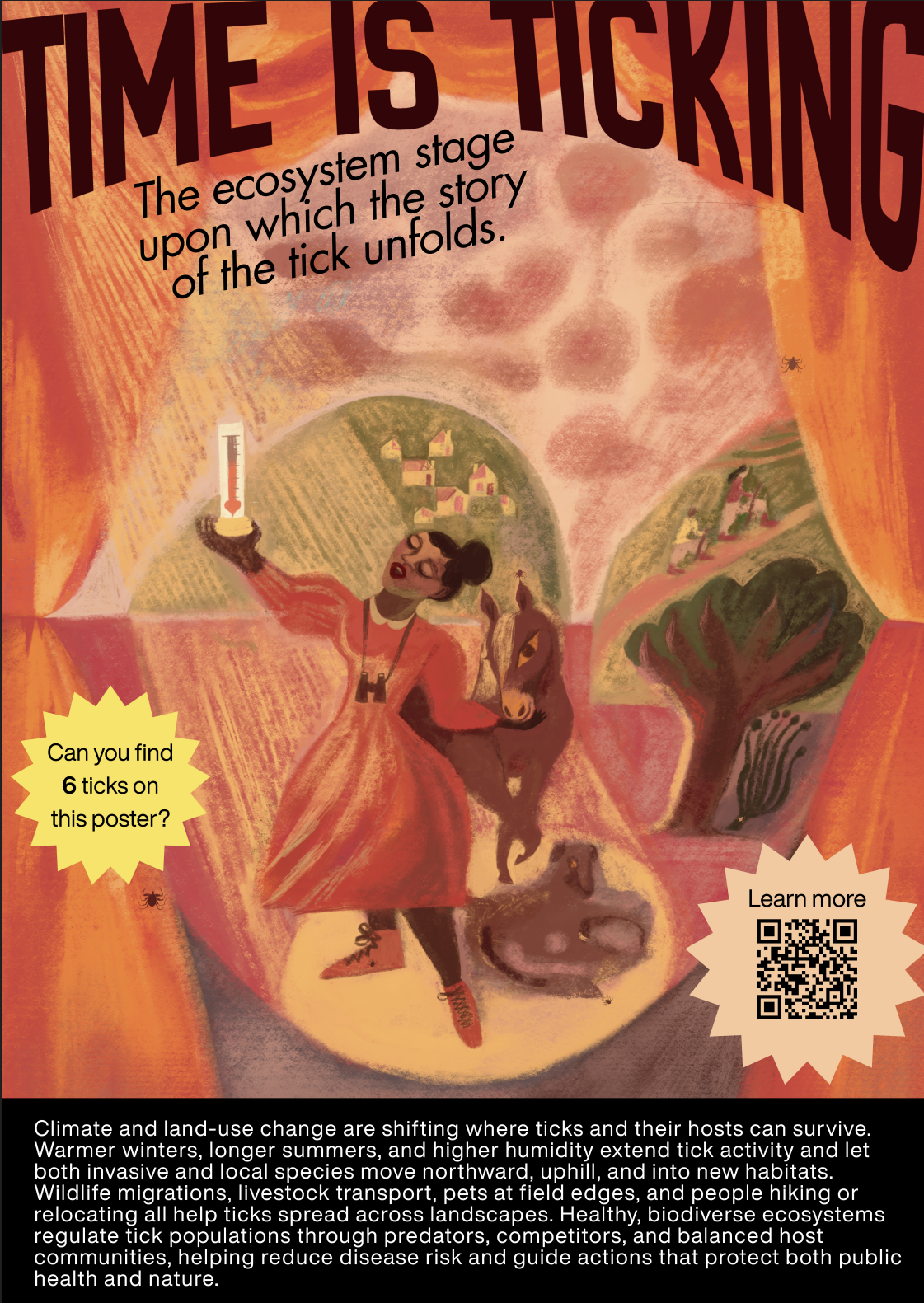
The ecosystem stage upon which the story of the tick unfolds.
Climate and land-use change are shifting where ticks and their hosts can survive. Warmer winters, longer summers, and higher humidity extend tick activity and let both invasive and local species move northward, uphill, and into new habitats.
Wildlife migrations, livestock transport, pets at field edges, and people hiking or relocating all help ticks spread across landscapes. Healthy, biodiverse ecosystems regulate tick populations through predators, competitors, and balanced host communities, helping reduce disease risk and guide actions that protect both public health and nature.
Download posters
Discover the full story
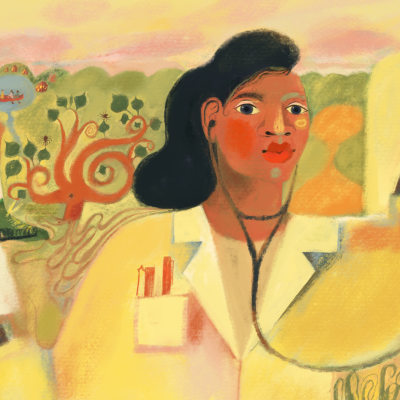
Healthcare workers are taking action on tick bites.
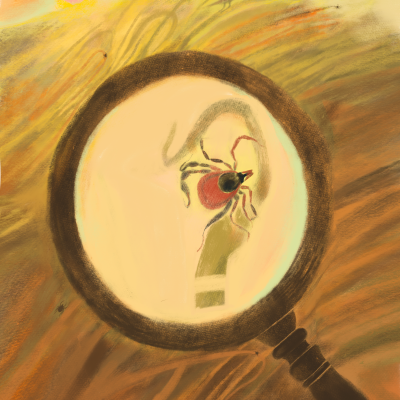
Is the tick the villain of this complicated story?
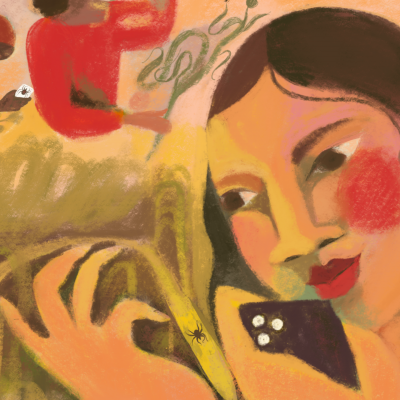
The citizen scientists weave the web of community tick awareness.
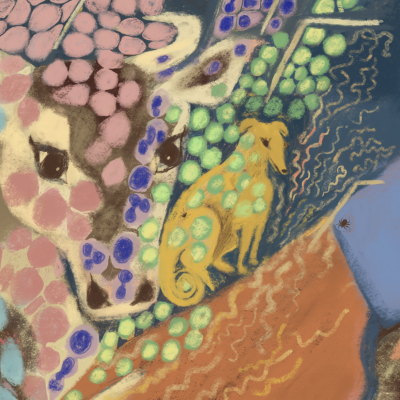
The most mysterious and microscopic side of the story.
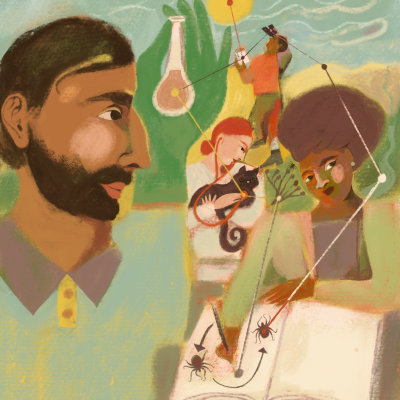
The many scientists solving the puzzle of the tick.
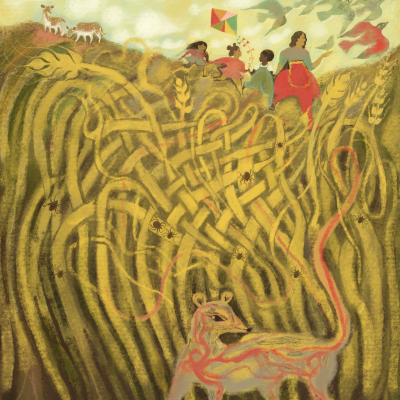
The people, pets, livestock, and wildlife supporting and transporting ticks.
Our latest news