
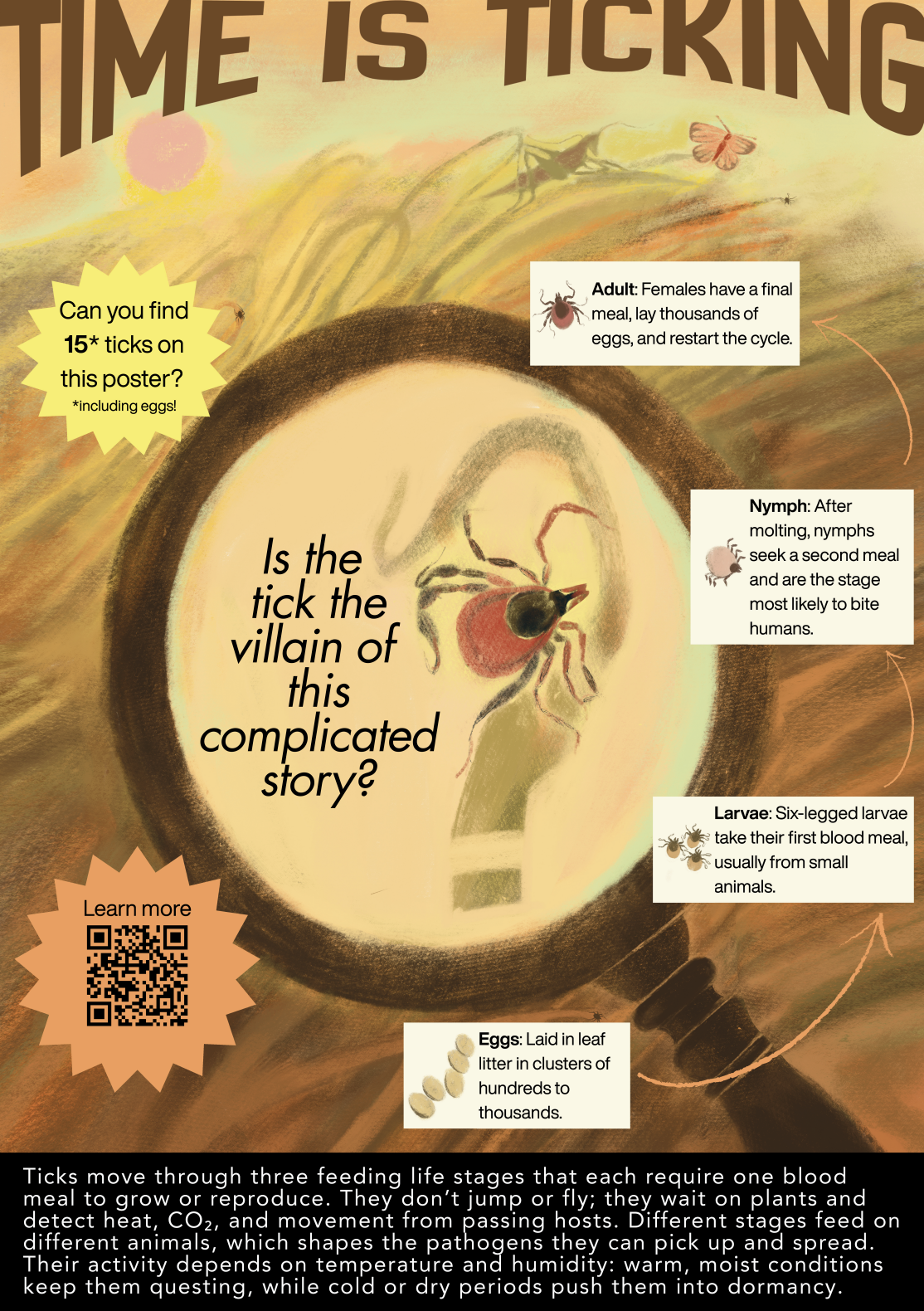
Is the tick the villain of this complicated story?
Ticks move through three feeding life stages that each require one blood meal to grow or reproduce. They don’t jump or fly; they wait on plants and detect heat, CO₂, and movement from passing hosts. Different stages feed on different animals, which shapes the pathogens they can pick up and spread. Their activity depends on temperature and humidity: warm, moist conditions keep them questing, while cold or dry periods push them into dormancy.
Adult: Females have a final meal, lay thousands of eggs, and restart the cycle.
Nymph: After molting, nymphs seek a second meal and are the stage most likely to bite humans.
Larvae: Six-legged larvae take their first blood meal, usually from small animals.
Eggs: Laid in leaf litter in clusters of hundreds to thousands.
Download poster
Discover the full story
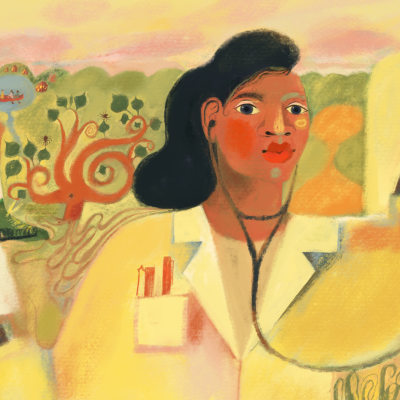
Healthcare workers are taking action on tick bites.
The ecosystem stage upon which the story of the tick unfolds.
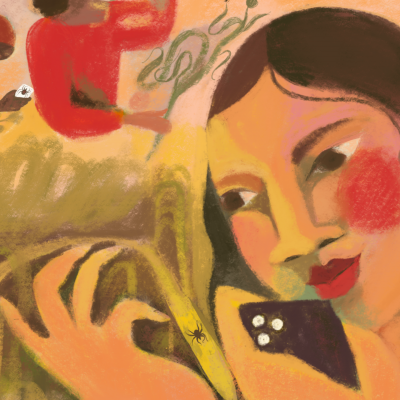
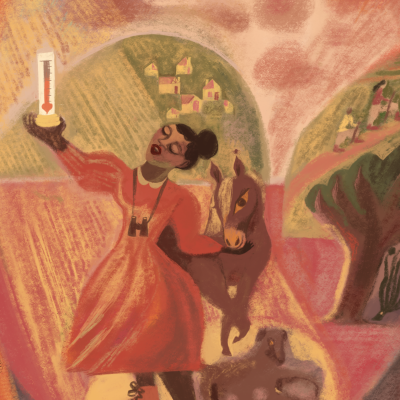
The citizen scientists weave the web of community tick awareness.
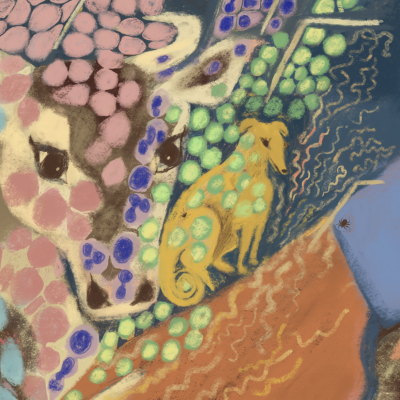
The most mysterious and microscopic side of the story.
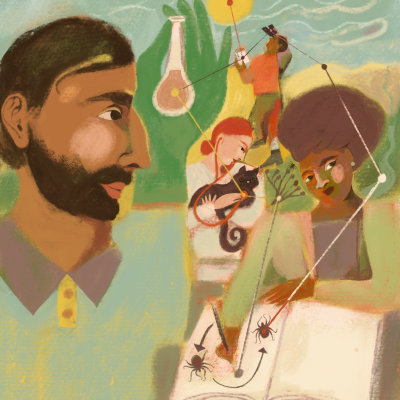
The many scientists solving the puzzle of the tick.
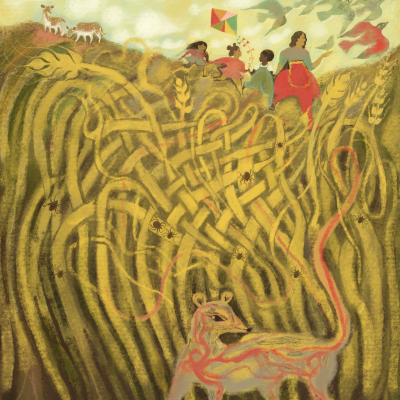
The people, pets, livestock, and wildlife supporting and transporting ticks.
Our latest news