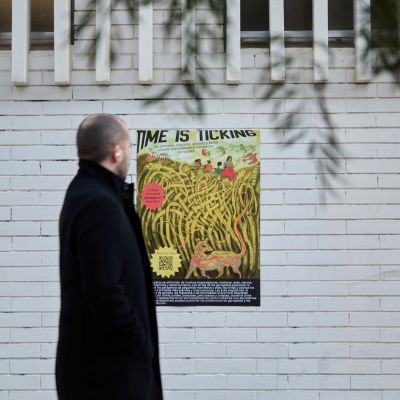

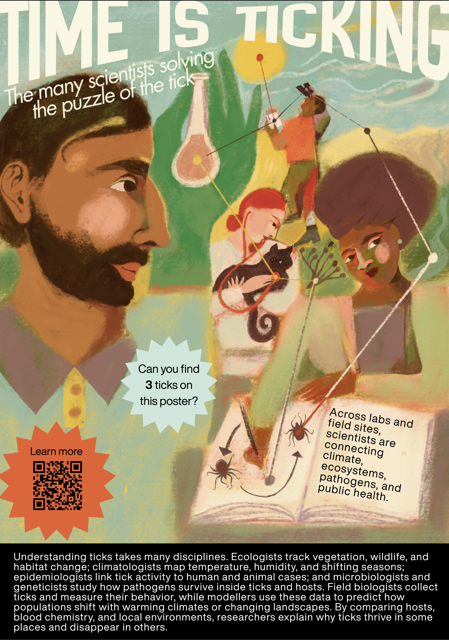
The many scientists solving the puzzle of the tick.
Across labs, forests, farms, and field sites, scientists are connecting climate, ecosystems, pathogens, and public health.
Understanding ticks takes many disciplines.
- Ecologists track vegetation, wildlife, and habitat change;
- Climatologists map temperature, humidity, and shifting seasons;
- Epidemiologists link tick activity to human and animal cases;
- Microbiologists and geneticists study how pathogens survive inside ticks and hosts;
- Field biologists collect ticks and measure their behaviour;
- Modellers and statistitians use these data to predict how populations shift with warming climates or changing landscapes.
By comparing hosts, blood chemistry, and local environments, researchers explain why ticks thrive in some places and disappear in others.
Download poster
Discover the full story
Clear Filters
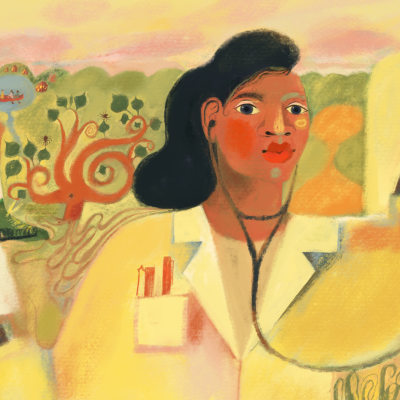
Healthcare Providers
Healthcare workers are taking action on tick bites.
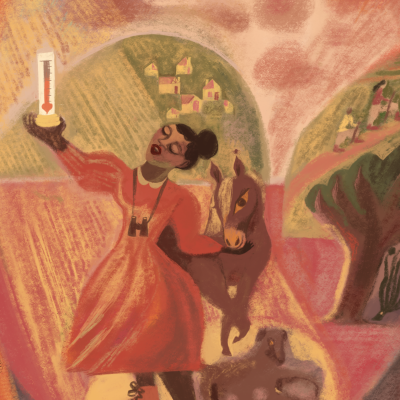
Ecosystems
The ecosystem stage upon which the story of the tick unfolds.
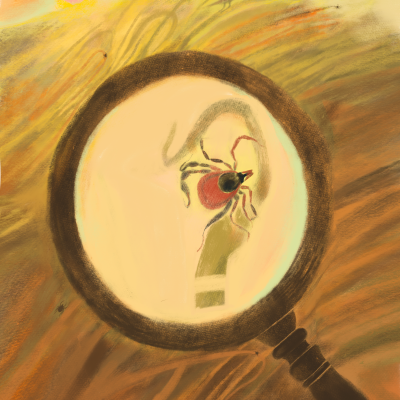
Ticks
Is the tick the villain of this complicated story?
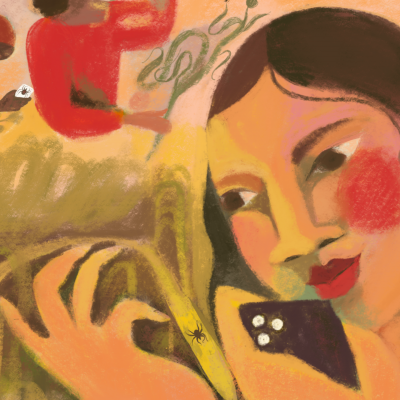
Citizens
The citizen scientists weave the web of community tick awareness.
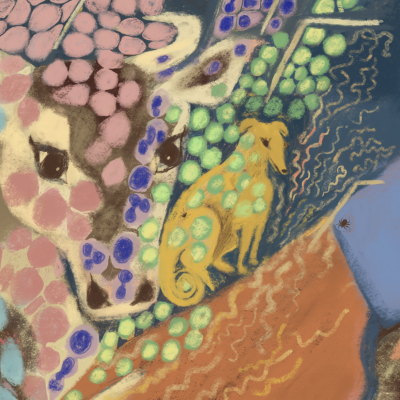
Pathogens
The most mysterious and microscopic side of the story.
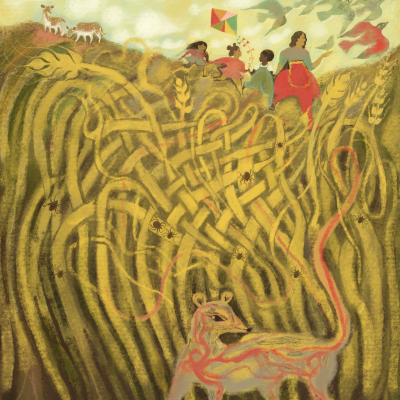
Hosts
The people, pets, livestock, and wildlife supporting and transporting ticks.
Our latest news